Are Smart EV Chargers Worth It? A Guide for Fullerton Homeowners
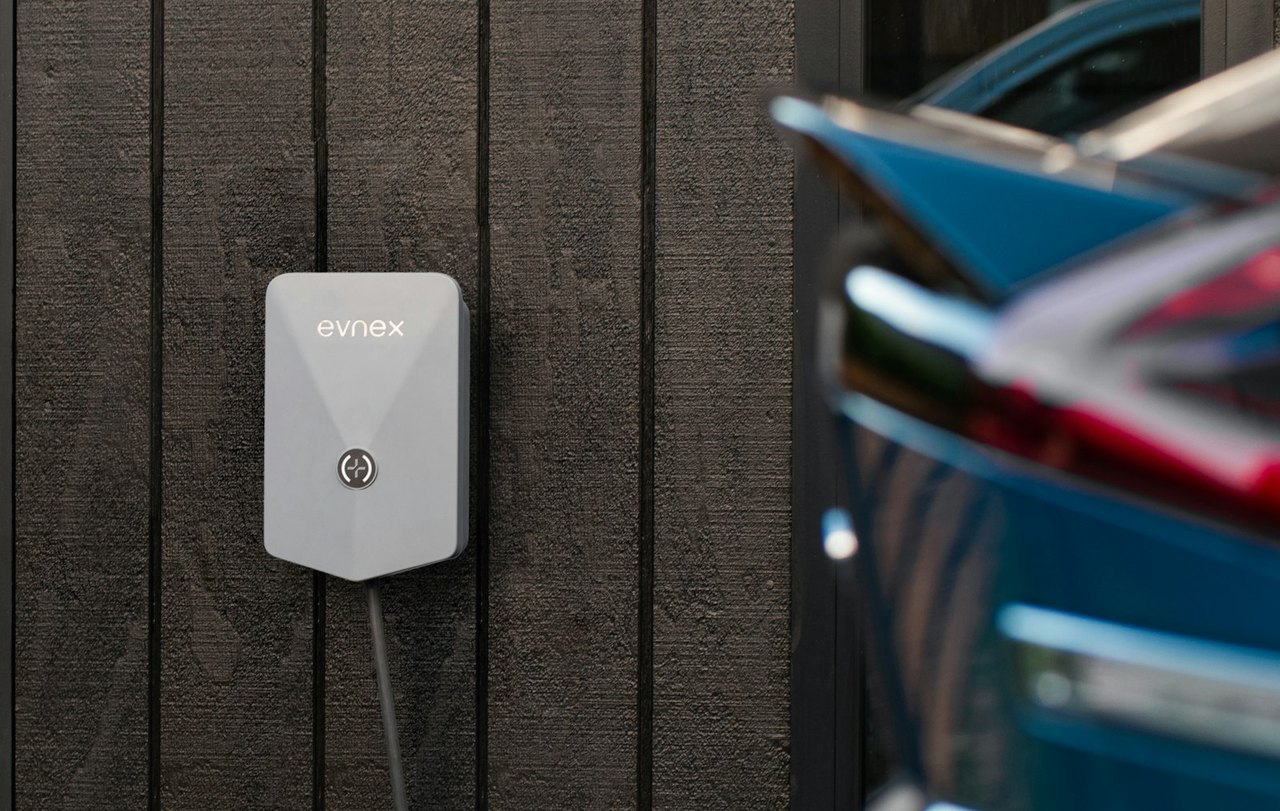
If you are shopping for a home charger in Fullerton, you have probably noticed that many Level 2 units now come in two versions: a plain charger that simply delivers power, and a smart one that connects to Wi-Fi and a phone app for roughly $100 to $300 more. So are smart EV chargers worth it? For most Fullerton homeowners the honest answer is a qualified yes, because the connected features line up closely with how Southern California Edison prices electricity and with the local programs that reward off-peak charging. This guide breaks down what a smart charger actually does, where it earns back its price, and when a simpler unit is the smarter buy.
Smart EV Chargers at a Glance
- A smart or networked charger connects to Wi-Fi and a phone app, so you can schedule charging, track energy use, and get software updates remotely.
- The biggest payoff is automatic off-peak scheduling, which matters in Fullerton because SCE charges far more for electricity during the 4 to 9 p.m. peak.
- ENERGY STAR certified connected chargers also draw about 40 percent less energy in standby mode than conventional units.
- Load management features can let a charger share an existing circuit, sometimes delaying or avoiding a panel upgrade.
- Some utility and managed-charging programs reward connected chargers or connected cars with sign-up bonuses and ongoing savings.
- A smart charger is not worth it if there is no reliable Wi-Fi at the parking spot, or if your EV's own app already schedules charging.
What Makes an EV Charger Smart?
A smart EV charger is a Level 2 charging station that connects to the internet, usually over Wi-Fi, so it can be monitored and controlled from a phone app rather than only at the wall unit. The federal ENERGY STAR program describes these models as connected, also referred to as networked, allowing for remote power monitoring and control of the charging session. In plain terms, that means you can start, stop, and schedule charging from your phone, see exactly how many kilowatt-hours each session used, set charging limits, and receive over-the-air updates that add features over time. A basic charger, by contrast, simply energizes the circuit whenever the car is plugged in. Both deliver the same power to the same vehicle; the difference lives entirely in the software, the connectivity, and the data you get back.
Lower Charging Costs on Time-of-Use Rates
The clearest financial case for a smart charger in Fullerton is automatic off-peak scheduling on a time-of-use rate. Southern California Edison bills most EV households on time-of-use plans that are designed to offer lower electricity costs for EV owners who charge during off-peak hours, with the highest prices on summer weekday afternoons from 4 to 9 p.m. and the cheapest power overnight. A smart charger can be set to begin charging automatically once the peak window closes, every night, without you having to remember to plug in at the right moment. You can approximate this manually or through some car apps, but a connected charger makes the saving automatic and then shows you in the app whether a session actually ran off-peak. Across years of nightly charging, that gap between peak and off-peak pricing is exactly where a smart unit pays back its higher sticker price.
Energy Monitoring and Standby Efficiency
Beyond scheduling, a connected charger turns charging into something you can measure. The app logs each session's energy use and cost, which is genuinely useful if you want to know your EV's running cost, split charging with a housemate, or document mileage for work. Certified models are also more efficient at rest: ENERGY STAR reports that qualifying chargers use 40% less energy in standby mode than conventional units, which quietly trims the draw of a device that sits plugged in around the clock. Many smart chargers additionally support demand-response programs through open communication protocols, meaning the utility can briefly adjust charging during grid stress in exchange for a credit. No single one of these is dramatic, but together they make the charger an informed part of your home's energy use instead of a silent box on the wall.
Not sure whether a smart charger or a basic one fits your Fullerton home and panel? A licensed C-10 electrician can run the numbers and quote both, with a flat rate up front.
Instant QuoteLoad Management: Charging Without a Panel Upgrade
One of the most practical smart features is dynamic load management, and for many Fullerton homeowners it saves more than the energy features do. A load-managing charger monitors the whole home's electrical draw and automatically throttles charging when other large appliances switch on, so the total never exceeds what the panel can safely carry. This matters locally because a Level 2 charger is a heavy continuous load, and many of Fullerton's older homes near downtown and Cal State Fullerton were built with smaller electrical services that are already close to capacity. Load management can sometimes let a charger share an existing service, delaying or avoiding a costly upgrade. It is not a universal fix, and a licensed electrician still has to run a load calculation first, but where it applies it can change the entire economics of charging at home. If that calculation shows the panel is genuinely full, our electrical panel upgrade page explains what the work involves.
Rebates and Programs That Favor Connected Chargers
Smart chargers also open the door to incentives that plain units cannot reach. ENERGY STAR notes that smart-grid-ready products may qualify owners for utility bill-savings programs, and Southern California Edison runs managed-charging offers that reward customers for shifting load off peak. SCE's Charge Smart program, operated with a partner called WeaveGrid, advertises a $50 sign-up reward and savings of up to $600 in annual charging costs for eligible households that let their charging be optimized around the grid. Eligibility is set by ZIP code and vehicle, so not every Fullerton address qualifies, and some programs connect through the car rather than the charger. Even so, the direction is clear: utilities increasingly pay for flexible, connected charging, and a networked charger is the most dependable way to take part. Check the current SCE offers for your exact address before buying, because these programs change from year to year.
When a Smart Charger Is Not Worth It
A smart charger is not the right call for everyone, and a guide that pretended otherwise would be selling rather than helping. If the parking spot has no reliable Wi-Fi, the connected features simply will not work and you will have paid extra for an app you cannot use. If your EV's own app already schedules charging to off-peak hours, a smart charger may duplicate a feature you already own, since the car can delay charging on any unit. Drivers who charge infrequently, or who have a modern panel with plenty of spare capacity, may never recover the price premium. The U.S. Department of Energy's Alternative Fuels Data Center notes that advanced Level 2 products can include charging timers, communications capabilities, and keypads, while also stressing that many drivers meet their daily needs with far simpler equipment. A quality basic charger from a reputable brand is a perfectly sound choice when the smart features would go unused, and a licensed installer like Fullerton EV Charger can tell you honestly which way your situation leans.
Smart EV Chargers: Common Questions
Do smart EV chargers actually save money?
They can, mainly by making off-peak charging automatic on a time-of-use rate like SCE's, where overnight power costs far less than peak-hour power. How much you save depends on how many miles you drive and whether you would otherwise remember to schedule charging yourself. The standby-efficiency and demand-response benefits add smaller amounts on top of that.
Can I schedule off-peak charging without a smart charger?
Often, yes. Most newer EVs can set a departure time or charging schedule from the car's own app, and that works with any charger. A smart charger earns its keep when your car lacks reliable scheduling, when you want all your energy data in one place, or when you want charger-based features such as load management that the vehicle cannot provide.
Does a smart charger need Wi-Fi to charge my car?
No. A connected charger still delivers power normally even when the Wi-Fi is down; it only loses the app features until it reconnects. That said, if the garage or driveway has no usable Wi-Fi at all, the smart features are effectively wasted, and a simpler charger is the better value.
Will a smart charger help me avoid a panel upgrade in an older Fullerton home?
Sometimes. A charger with dynamic load management can throttle charging so the home never exceeds its panel's capacity, which can let the charger share an existing service. Whether it works depends on your actual electrical loads, so a licensed electrician has to run a load calculation first. In some older homes a panel upgrade is still the safest path.
Are smart chargers worth it for a Tesla?
Tesla's own Wall Connector is already a Wi-Fi-connected charger with app monitoring and scheduling, so Tesla drivers usually get smart features by default; our Tesla Wall Connector installation covers that unit. If you drive a non-Tesla EV, a third-party networked charger gives you comparable scheduling and energy data. Either way, the connected features pay off most on a time-of-use rate.
Smarter Charging Starts With the Right Install
Whether you choose a connected charger or a simple one, a permitted, load-calculated install from a licensed C-10 electrician is what makes it safe and rebate-ready. Get a flat-rate quote for your Fullerton home.