
EV Charger Grounding and Electrical Safety: A Fullerton Homeowner's Guide
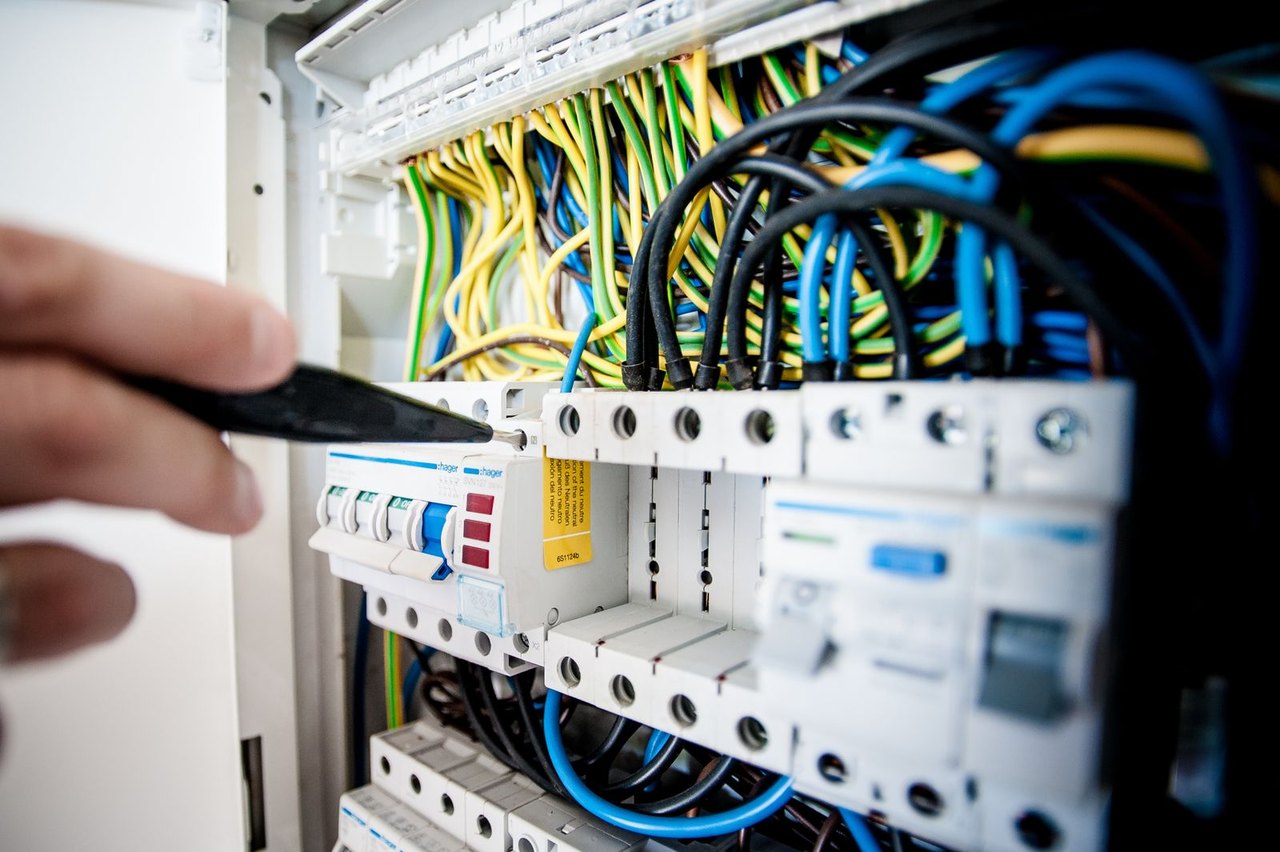
An EV charger grounding and electrical safety problem rarely announces itself until a warm outlet, a tripping breaker, or a burning smell turns a convenient home charger into a hazard. A Level 2 charger pulls heavy current for hours at a time, night after night, so the parts of the install you never see, the grounding, the bonding, the ground-fault protection, and the wiring itself, are what keep that routine safe. This guide explains why proper grounding and GFCI protection matter for a Fullerton home charger, what a correct installation looks like, and the warning signs of an unsafe install. For a charger already showing faults, our EV charger repair and troubleshooting guidance covers diagnosis; here the focus is doing the electrical side right in the first place.
EV Charger Grounding and Safety at a Glance
- Grounding gives fault current a safe path back to the panel, which is what trips a breaker instead of energizing the charger's metal housing.
- A Level 2 charger is a continuous high-current load, so the circuit, breaker, conductors, and grounding must all be sized and installed for that duty.
- Receptacle-connected plug-in EV chargers require ground-fault protection, and every listed EVSE has a built-in charge-circuit interrupting device that watches for leakage.
- Never power a charger through an extension cord, a multi-plug adapter, or an ungrounded two-prong outlet.
- Warm or discolored outlets, repeated breaker trips, a burning smell, or scorch marks mean stop using the charger and call a licensed electrician.
- Fullerton's older homes and aging panels make a professional grounding and panel check worthwhile before adding a charger.
Why Grounding and Bonding Matter for an EV Charger
Grounding and bonding are the safety backbone of any EV charger install, because they give electrical faults a predictable, safe path instead of a dangerous one. Grounding connects the system to earth through the equipment grounding conductor that runs with the circuit; bonding ties all the metal parts, the charger enclosure, the conduit, and the outlet box, together so they stay at the same electrical potential. If a live wire ever contacts the charger's metal housing, a properly grounded and bonded system carries that fault current straight back to the panel and trips the breaker in a fraction of a second. Without that path, the housing can become energized and wait silently for someone to touch it. Because a Level 2 circuit carries 32 to 48 amps for hours at a time, grounding on an EV charger is not a formality; it is the difference between a nuisance trip and a shock or a fire.
GFCI and CCID: The Shock Protection Built Into EV Charging
Ground-fault protection is what stops a small current leak from becoming a serious shock, and EV charging relies on two layers of it. The first is the charge-circuit interrupting device, or CCID, built into every listed EV charger, which compares the current flowing out to the current coming back and cuts power the instant it detects even a few milliamps leaking to ground. The second is GFCI protection on the branch circuit itself, which the National Electrical Code requires for receptacle-connected, plug-in chargers. The Electrical Safety Foundation International advises homeowners to ensure you have proper GFCI protection to protect against electric shocks and to have every charger installed by a qualified electrician. These layers matter because wet garages, outdoor installs, and aging wiring are exactly the conditions where a ground fault is most likely.
What Correct EV Charger Wiring Looks Like
A safe EV charger install starts with a dedicated circuit sized for a continuous load, not a convenience outlet shared with other equipment. Because a charger can run at full output for hours, code treats it as a continuous load and sizes the breaker and wire to 125 percent of the charger's rated current, so a 48-amp charger needs a 60-amp circuit with conductors rated to match, and the equipment grounding conductor has to be sized to that circuit as well. The charger is then either hardwired or connected to a dedicated, GFCI-protected outlet, with the connections landed on properly torqued lugs so nothing works loose under heat and load. What a safe install never includes is an extension cord or a plug adapter: the Electrical Safety Foundation International is explicit that you should never use an extension cord or a multi-plug adapter when charging, because those connections are not built for sustained high current and are a known cause of overheating.
Not sure your charger's grounding or circuit is up to code? A licensed Fullerton electrician can inspect the install and fix anything unsafe, with a clear flat-rate quote up front.
Instant QuoteSigns Your EV Charger Installation May Be Unsafe
Most unsafe installs give warning signs before they fail, and recognizing them can prevent a fire. Any of the following means stop charging and have a licensed electrician inspect the circuit:
- A warm, discolored, or melted outlet, plug, or breaker after charging; heat points to a loose or undersized connection.
- A breaker that trips every time you plug in, or a GFCI that will not reset, which signals a real ground fault rather than a harmless nuisance trip.
- A burning smell, buzzing, or scorch marks anywhere on the charger, the outlet, or the panel.
- A charger powered through an extension cord, a plug adapter, or an ungrounded two-prong outlet.
- A plug-in charger on a standard outlet with no visible ground-fault protection on the circuit.
- An installation with no permit or inspection, or obvious do-it-yourself wiring at the panel.
An EV circuit carries heavy current for hours at a stretch, so a hot connection or a repeated fault is a genuine fire risk, not a wait-and-see problem. If you see any of these signs, switch off the circuit at the breaker and call a licensed electrician before charging again.
Why Fullerton's Older Homes Deserve Extra Attention
Fullerton's housing stock makes grounding and panel capacity a bigger deal here than in a newer subdivision. Many homes near downtown and the older neighborhoods around Cal State Fullerton were built before 1960, and electrical systems from that era were never designed for a modern continuous charging load. Some still have ungrounded two-prong outlets or limited grounding, homes built in the late 1960s and early 1970s may have aluminum branch-circuit wiring that needs special handling at connections, and the oldest properties can still contain original knob-and-tube wiring with no equipment ground at all. Fullerton homes are served by Southern California Edison, and an older main panel asked to carry a charger on top of existing loads is more prone to loose lugs, nuisance trips, and overheating. None of this means an older home cannot charge safely; it means the grounding, the panel, and the circuit should be evaluated by a professional first, and an electrical panel upgrade is sometimes the safest path.
Permits, Inspection, and Hiring the Right Installer
A permit and a licensed installer are not red tape; they are how grounding and safety actually get verified. The City of Fullerton runs a streamlined permitting process for residential EV chargers, with online applications, permits typically answered within five business days, and inspections within a few days of a call-in. That inspection is where a third party confirms the circuit is sized correctly, the grounding and bonding are right, and the ground-fault protection is in place. The U.S. Department of Energy's Alternative Fuels Data Center likewise advises that charging equipment be installed by a certified electrical contractor who understands and uses the NEC for a safe, code-compliant installation. In California that means a licensed C-10 electrical contractor, and the team at Fullerton EV Charger pulls the permit, runs the load calculation, and leaves you with an install that has actually been inspected.
EV Charger Grounding and Safety: Common Questions
Does an EV charger need its own ground?
Yes. Every EV charger circuit must include an equipment grounding conductor that runs with the circuit back to the panel, giving fault current a safe path and allowing the breaker to trip if a wire ever contacts the charger's metal parts. A charger connected to an ungrounded two-prong outlet or an older ungrounded system is not safe, which is a common issue in Fullerton's pre-1960 homes.
Do I need a GFCI breaker for my EV charger?
It depends on how the charger connects. The National Electrical Code requires ground-fault protection for receptacle-connected, plug-in chargers, so a plug-in unit generally needs GFCI protection on the circuit. Hardwired chargers rely on the charge-circuit interrupting device built into the unit itself. A licensed electrician sets up the correct protection for your charger and connection type.
Is it safe to plug an EV charger into a regular outlet?
A standard 120-volt outlet is only safe for Level 1 charging on a proper dedicated circuit, and even then never through an extension cord or adapter. A Level 2 charger needs a dedicated 240-volt circuit sized for a continuous load; running one from an ordinary outlet or a shared circuit risks overheating. The Electrical Safety Foundation International warns specifically against extension cords and multi-plug adapters for EV charging.
How do I know if my home's wiring can handle an EV charger?
A licensed electrician performs a load calculation on your panel and inspects the existing wiring and grounding to confirm there is capacity for a new continuous circuit. Older Fullerton homes with smaller services, aluminum wiring, or ungrounded systems often need a panel or wiring upgrade first. The evaluation tells you exactly what your home needs before any charger is installed.
Can I install an EV charger myself to save money?
Because an EV charger is a high-current continuous load tied directly to your panel and grounding system, installation is work for a licensed electrician, not a DIY project. California requires a permit and inspection, and the Department of Energy recommends a certified contractor. A professional install also keeps the work code-compliant.
Charge Safely in Fullerton
Proper grounding, the right protection, and a permitted install are what keep home charging safe for years. Get a flat-rate quote from a licensed C-10 electrician who does it to code.