
EV Charger Maintenance: A Fullerton Homeowner's Upkeep Guide
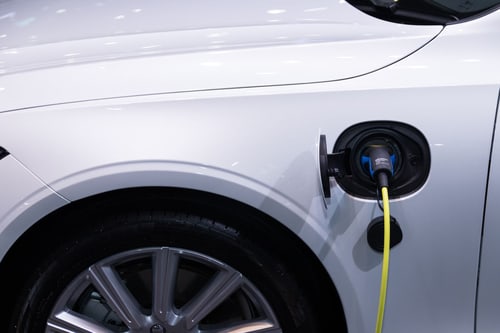
Your home EV charger spends years bolted to a garage wall doing one demanding job over and over, and like any hard-working piece of electrical equipment it lasts longer and fails less often when you look after it. EV charger maintenance is mostly simple, low-cost upkeep: keeping the connector clean, watching the cable for wear, confirming the circuit is healthy, and knowing the handful of signs that mean it is time for a professional. This guide walks Fullerton drivers through a practical routine for a home Level 2 charger, with the local conditions that matter here, so you can keep charging reliably and get the full life out of the equipment. For a unit that has already stopped working, our EV charger repair and troubleshooting guidance covers fault diagnosis instead.
EV Charger Maintenance at a Glance
- Most EV charger maintenance is light, inexpensive upkeep a homeowner can do a few times a year.
- Wipe the connector clean, keep it off the garage floor, and never let the cable get stepped on or crushed.
- Stop using the charger immediately if the cable is frayed or the connector is cracked, and do not attempt internal repairs yourself.
- Test the circuit breaker and GFCI once or twice a year, and feel for any warmth at the outlet or breaker.
- Install firmware updates on a smart charger to keep safety and charging logic current.
- A quality Level 2 charger typically lasts about ten years, and periodic professional inspection extends reliable service.
What EV Charger Maintenance Actually Involves
EV charger maintenance is the routine upkeep that keeps a home charging station safe and working, and it has two parts: the simple checks you do yourself and the periodic inspection a professional handles. According to ENERGY STAR, EV chargers may require periodic inspection, testing, and preventive maintenance typically performed by a qualified electrical contractor, though annual costs are generally low. In practice that means a few minutes of visual checks every couple of months, plus an occasional deeper look at the circuit by an electrician. A home charger has very few serviceable parts, so maintenance is less about tinkering and more about catching small problems, dirt, a loose lug, a nicked cable, before they become a failure or a hazard.
Keep the Connector and Cable Clean and Undamaged
The connector and cable take the most physical abuse, so they need the most attention. Wipe the connector pins and housing with a dry or barely damp cloth to clear dust and grit, and never plug in a connector that is wet or visibly dirty. Hang the cable on its holster rather than leaving it coiled on the floor where it can be run over, pinched by the garage door, or chewed by pests. Manufacturers are blunt about damage: ChargePoint's safety instructions say not to use the product if any cable is frayed, has broken insulation, or shows other signs of damage, and to position the cable so it is not stepped on, tripped over, or stressed. A cable that is routed thoughtfully and wiped down now and then simply lasts longer.
If you ever see a frayed cable, cracked or melted connector housing, scorch marks, or a warm outlet, stop using the charger and call a licensed electrician. An EV circuit carries heavy current for hours at a time, so a damaged connection is a genuine fire risk, not a cosmetic issue.
Check the Breaker, GFCI, and Connections Twice a Year
Twice a year, give the charger's electrical supply a quick health check. Flip the dedicated breaker off and on to confirm it moves firmly, and if your charger or outlet has a GFCI test button, press it to verify the protection trips and resets. With the breaker off, feel the faceplate of the outlet and the breaker for any warmth after a recent charge, since heat points to a loose or corroded connection that will worsen over time. You should never open the panel or tighten lugs yourself; that is electrician work. The point of the homeowner check is simply to notice a breaker that trips repeatedly, a GFCI that will not reset, or warmth where there should be none, and to book a professional before a nuisance becomes a failure.
Keep Firmware Current on a Smart Charger
If you own a networked or app-connected charger, firmware updates are part of maintenance. Manufacturers push updates that fix bugs, improve charging logic, and patch safety or connectivity issues, and most smart chargers install them automatically over Wi-Fi if the connection is stable. Open the charger's app every month or two to confirm it is online and running the latest version, and check that any scheduling or load-management settings still match how you actually charge. A charger that has dropped off Wi-Fi quietly stops getting updates, so a reliable garage signal is worth setting up. Basic non-connected chargers skip this step entirely, which is one less thing to maintain.
How Fullerton's Climate and Older Homes Affect Upkeep
Two local realities shape maintenance in Fullerton. First, inland north Orange County summers are hot and dry, and seasonal Santa Ana winds drive fine dust into garages, so connectors here collect grit faster than in milder coastal spots and benefit from more frequent wiping. Heat also stresses electronics and can loosen connections as metal expands and contracts, which makes the twice-a-year connection check more valuable through the warm months. Second, many homes near downtown Fullerton and the older neighborhoods around Cal State Fullerton were built decades ago, and an aging panel asked to carry a continuous charger load is more prone to loose lugs and nuisance trips. Fullerton is served by Southern California Edison, whose territory covers most of the area, and an older service is worth having an electrician evaluate when you add or maintain a charger.
Signs of Wear and When to Call a Pro
Most maintenance is preventive, but some findings mean stop and call a professional. Repeated breaker trips, a GFCI that will not reset, any burning smell, discolored or melted plastic, a warm outlet or breaker, or a connector that no longer latches firmly all point to a problem beyond homeowner upkeep. The U.S. Department of Energy's Alternative Fuels Data Center advises that home charging work be handled by a qualified electrician, and diagnosing a fault on a live high-amperage circuit is exactly that kind of work. ChargePoint likewise notes that beyond the charging cable, home stations have no field-serviceable parts and you should not attempt to service the unit yourself. A licensed electrician can test the circuit, retorque or replace connections, confirm the breaker is sized correctly, and tell you whether the charger or the wiring is at fault.
How Long a Home EV Charger Lasts
A well-installed, well-maintained Level 2 home charger generally lasts around a decade, and often longer, with the cable and connector usually wearing out before the unit itself. Lifespan comes down to install quality, the environment, and upkeep: a charger on a correctly sized circuit, protected from weather and physical damage, and wiped down and checked periodically simply ages more slowly than one left to collect dust and get run over. Replacement eventually makes sense when a charger is many years old, out of firmware support, or slower than current models, but maintenance is what gets you the full service life in the meantime. Pairing routine upkeep with a sound original Level 2 EV charger installation is the most reliable way to protect the investment.
Building Upkeep Into Your Charging Routine
The practical takeaway is that a home charger rewards a little attention and punishes neglect. Wipe the connector and keep the cable off the floor, run the breaker and GFCI check a couple of times a year, keep a smart charger's firmware current, and treat any heat, smell, or damage as a reason to stop and get help rather than push through. In Fullerton, let the hot, dusty summers and the age of your home set the pace: newer installs in good conditions need less, while an older garage near downtown or Cal State Fullerton earns a closer look. When a check turns up something past a wipe-down, or you are adding a charger to an older panel, the team at Fullerton EV Charger can inspect the circuit and handle professional Level 2 installation the right way.
Rather have a pro handle the yearly check or inspect an aging circuit? Get a fast, flat-rate quote from a licensed Fullerton electrician.
Instant QuoteKeep Your Fullerton Charger Running Longer
A quick routine prevents most charger headaches, and a licensed inspection catches the rest. Get a flat-rate quote and keep your home charging dependable for years.